

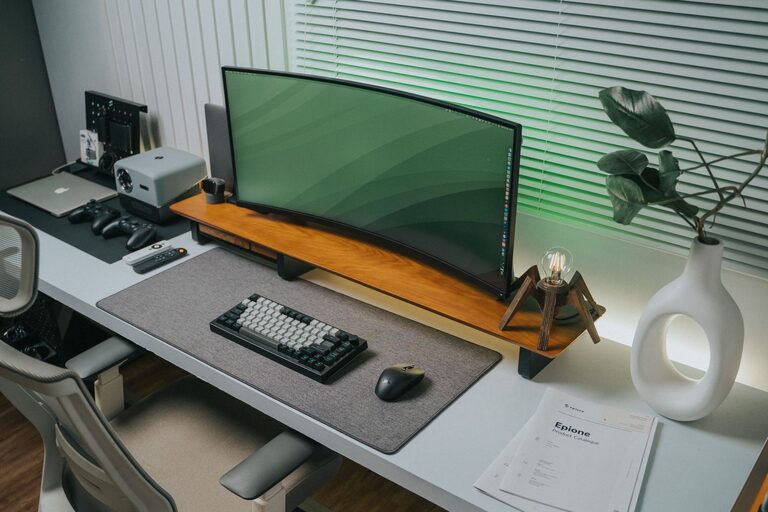
Creating a home workspace that is both sustainable and organised can transform the way you work and feel throughout the day. A well-thought-out setup not only enhances focus and efficiency but also reduces waste and environmental impact. Whether you are setting up a new space or looking to improve an existing one, these simple tips offer guidance on making your home office eco-friendly and clutter-free.
Why Choose a Sustainable Home Workspace?
Embracing sustainability means minimising waste, using resources wisely, and making choices that benefit both people and the planet. In a home office, this might involve choosing furniture made from recycled materials, reducing paper use, or finding energy-efficient equipment.
An organised workspace complements sustainability by reducing stress, saving time, and making your daily routine smoother. Together, sustainability and organisation create a harmonious environment that supports your work and well-being.
Tips for Creating an Organised Workspace
1. Declutter Regularly
Start by clearing your desk and surrounding area. Removing unnecessary items helps create a clean and focused environment. Set aside a few minutes at the end of each day to tidy your space, filing away paperwork and putting tools back in place.
2. Use Smart Storage Solutions
Invest in storage items like shelves, drawers, and boxes to keep your belongings neat and accessible. Vertical storage can save precious floor space, and labelled containers make it easy to find what you need quickly.
3. Keep Only Essentials Within Reach
Limit your desk surface to items you use daily, such as a computer, notebook, and a pen holder. This reduces visual clutter and helps maintain concentration.
4. Employ Cable Management
Tidy cables and chargers with clips, sleeves or cable boxes. This simple step keeps your workspace safe and visually appealing while preventing frustration caused by tangled wires.
Tips for a Sustainable Workspace
1. Choose Eco-Friendly Furniture
Look for desks and chairs made from sustainable materials such as bamboo, recycled wood, or metal. Purchasing second-hand furniture is also a great way to reduce waste and often save money.
2. Opt for Energy-Efficient Electronics
Select devices that have energy-saving ratings or power-saving modes. Turning off equipment when not in use and unplugging chargers can further reduce energy consumption.
3. Reduce Paper Use
Go digital where possible by using apps for notes, calendars, and documents. When printing is necessary, use recycled paper and print double-sided to minimise waste.
4. Incorporate Natural Light and Plants
Maximise daylight to reduce dependence on electric lighting. Adding houseplants not only beautifies your workspace but also helps improve air quality and create a calming atmosphere.
Practical Tips to Combine Sustainability and Organisation
– Repurpose and Upcycle: Before buying new storage solutions, consider repurposing jars, boxes, or furniture you already own. Upcycling is creative and sustainable.
– Buy Quality Over Quantity: Instead of frequent replacements, invest in high-quality items that last longer and reduce the need for disposal.
– Organise Digital Files: Just like physical paperwork, digital clutter can slow you down. Use folders, clear old files regularly, and back up important information.
– Set Up a Recycling Station: Keep a small bin for paper, plastics, and electronics to ensure items are correctly recycled.
Final Thoughts
Creating a sustainable and organised home workspace doesn’t have to be complicated or costly. Small, thoughtful changes can lead to a more productive and eco-conscious working environment. By prioritising simplicity, functionality, and sustainability, you’ll not only enjoy your workspace more but also contribute positively to the planet.
Start today by choosing one or two tips from this guide and build from there. Your ideal home office is waiting to boost your daily productivity while being kind to the Earth.