

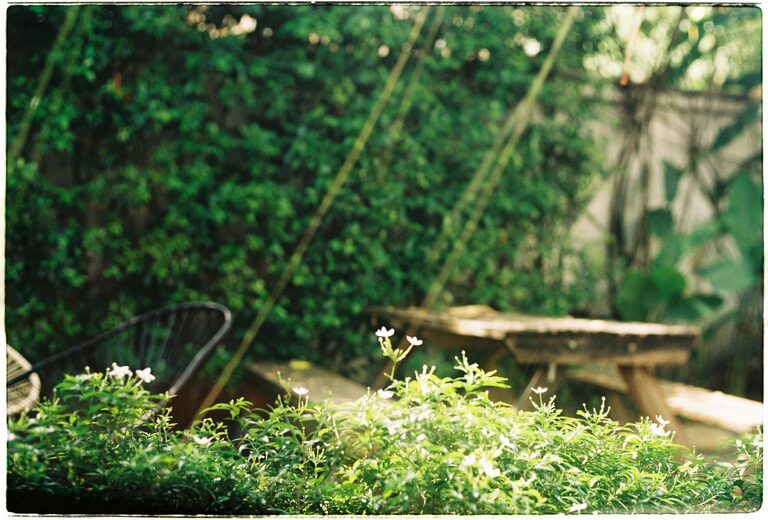
Creating a relaxing garden space at home is a wonderful way to bring tranquillity and natural beauty right to your doorstep. Whether you have a small balcony, a modest backyard, or a spacious garden, a thoughtful approach can transform your outdoor area into a personal sanctuary. In this post, we’ll explore practical tips and ideas to help you design a peaceful garden space that encourages rest and refreshment.
Why Create a Relaxing Garden Space?
Gardens offer more than just aesthetic charm. Spending time outdoors can reduce stress, improve mood, and increase overall wellbeing. Having a dedicated tranquil area at home encourages you to relax, enjoy fresh air, and connect with nature — all of which promote mental and physical health.
Planning Your Garden Retreat
Before planting or buying furniture, it’s important to plan your garden space carefully. Consider the size, light conditions, and how you intend to use the area.
Assess Your Space and Needs
– Measure Your Garden: Know the exact size to choose suitable furniture and plants.
– Check Sunlight and Shade: Observe how sunlight moves during the day.
– Decide the Purpose: Will this be a reading nook, a meditation spot, a dining area, or simply a place to relax?
Choose a Theme or Style
Having a style in mind helps create a cohesive look. Popular garden themes include:
– Natural Wild: Embrace native plants and a meadow-like feel.
– Minimalist: Clean lines, simple plant groups, and sleek furniture.
– Cottage Garden: A mix of colourful flowers and charming details.
– Zen Garden: Incorporating stones, water features, and minimal planting for calmness.
Selecting Plants for Relaxation
Plants play a central role in creating a soothing atmosphere. The right plant choices can enhance tranquillity and even influence mood.
Easy-Care Plants to Consider
– Lavender: Offers lovely scent and colour, known for calming effects.
– Ferns: Great for shady corners and add lush greenery.
– Herbs: Rosemary, mint, or chamomile bring fragrance and can be used in cooking or teas.
– Grasses: Ornamental grasses create gentle movement in the breeze.
– Succulents: Low maintenance and interesting textures for pots or borders.
Tips for Planting
– Group plants in clusters for visual impact.
– Use pots and raised beds if space or soil quality is limited.
– Incorporate a mix of heights and colours to keep it interesting.
– Plan for seasonality to have interest all year round.
Creating Comfort and Atmosphere
Relaxation isn’t just about plants; it’s about how the space makes you feel. Comfort, sound, and lighting all contribute to the vibe.
Furniture Choices
– Choose comfortable seating such as cushioned chairs, hammocks, or reclining loungers.
– Opt for weather-resistant materials like treated wood, rattan, or metal.
– Include side tables to hold drinks, books, or candles.
Adding Water Features
– A small fountain or birdbath introduces soothing water sounds.
– Water features attract wildlife, adding life and movement to your garden.
Lighting for Evenings
– Solar garden lights or fairy lights create a gentle glow.
– Lanterns and candles can add warmth.
– Consider spotlights for highlighting favourite plants or trees.
Use of Textiles and Accessories
– Outdoor cushions and throws make seating areas cozier.
– Rugs designed for outdoor use add colour and define spaces.
– Wind chimes and garden statues enhance sensory appeal.
Maintenance Tips for a Stress-Free Garden
A relaxing garden should not become a chore. Here are ways to keep it manageable:
– Choose Low-Maintenance Plants: Reduce watering and pruning needs.
– Mulch Beds: Helps retain moisture and suppress weeds.
– Install an Irrigation System: Drip irrigation or soaker hoses save time.
– Regular Tidying: Spend a few minutes each week to keep the garden neat.
Making Your Garden a Daily Retreat
Finally, remember a relaxing garden is about enjoying your time there regularly.
– Set a daily or weekly garden relaxation routine.
– Use headphones to listen to calming music or nature sounds.
– Practice mindfulness or meditation outdoors.
– Invite friends or family for outdoor tea or meals.
Conclusion
Designing a relaxing garden space at home is a rewarding project that adds value to your property and improves your wellbeing. By planning carefully, choosing the right plants and furniture, and paying attention to comfort and atmosphere, you can create a peaceful outdoor haven that you’ll enjoy year-round.
Start small, keep it simple, and let your garden be a gentle escape from the pace of everyday life. Happy gardening!