

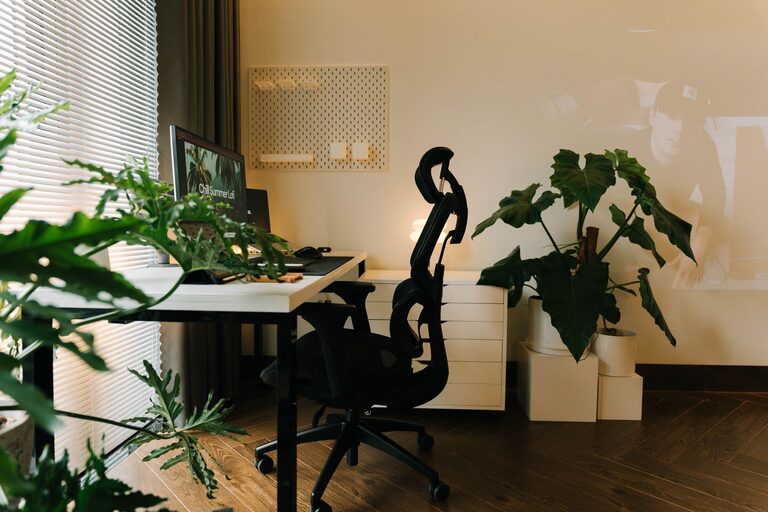
Creating a comfortable and productive home office space is essential if you work from home or often need a quiet spot to focus. A well-designed workspace can improve your efficiency, reduce stress, and help you separate work from leisure. Whether you have a dedicated room or a small nook, these tips will help you set up a home office that supports your work style and wellbeing.
Choose the Right Location
Selecting the right spot for your home office is the first step. Ideally, pick a quiet area with minimal distractions. If possible, avoid spaces that are heavily trafficked or noisy. Consider:
– A spare room that can be devoted solely to work.
– A corner of your living room or bedroom that can be separated with screens or shelving.
– Near a window to benefit from natural light and fresh air.
Having your office in a location that feels private and calm helps improve concentration and work-life balance.
Invest in Ergonomic Furniture
Comfort is key for long hours at your desk. Ergonomic furniture supports good posture and reduces the risk of aches or repetitive strain injuries.
– Office Chair: Choose a chair with adjustable height, lumbar support, and armrests. Sit so that your feet rest flat on the floor and your knees are at a right angle.
– Desk: The desk should be at a height where your forearms are parallel to the floor when typing. Standing desks or adjustable desks can offer flexibility.
– Monitor Position: Position your screen at eye level to avoid neck strain.
Investing in proper furniture may seem costly upfront, but it pays off in comfort and health benefits.
Optimise Lighting
Good lighting is crucial for reducing eye strain and creating a pleasant workspace.
– Use as much natural light as possible; position your desk near windows but avoid glare on your screen.
– Supplement with a quality desk lamp for focused lighting during darker hours.
– Choose bulbs with a colour temperature close to natural daylight (around 4000K-5000K) to promote alertness.
Avoid harsh overhead lights that can cause discomfort.
Keep Your Space Organised
An uncluttered workspace promotes focus and reduces distractions.
– Use storage solutions like shelves, drawers, or filing cabinets to keep documents and supplies tidy.
– Desk organisers or trays can help keep essentials within reach.
– Digitise paper files when possible to reduce physical clutter.
– Set a daily or weekly routine to tidy your workspace to maintain order.
A neat environment supports clearer thinking and efficiency.
Personalise Your Workspace
Adding personal touches can make your home office feel more inviting and motivating.
– Display plants, which also improve air quality.
– Use artwork, photographs, or inspiring quotes on the walls.
– Choose colours and materials that you find calming or energising.
Personalisation helps create a space you enjoy spending time in and can improve mood.
Minimise Distractions
Managing distractions is important for productivity, especially at home.
– Use noise-cancelling headphones or play instrumental background music if helpful.
– Inform family members or housemates about your work hours to minimise interruptions.
– Turn off unnecessary notifications on devices.
– Consider apps or techniques like the Pomodoro method to keep focused.
Being mindful of distraction sources can help you maintain your workflow.
Equip Your Office with the Right Technology
Having the right tools makes work smoother and reduces frustration.
– Ensure a reliable internet connection with sufficient speed.
– Use ergonomic keyboards and mice.
– Keep chargers, cables, and accessories organised.
– Consider a second monitor for increased screen space.
Modern technology tailored to your work needs can boost productivity.
Maintain a Comfortable Climate
Temperature and ventilation affect comfort and concentration.
– Use a fan or heater as needed to keep a pleasant room temperature.
– Open windows periodically to refresh the air.
– Consider air purifiers if the room feels stuffy.
Comfortable surroundings contribute to sustained focus.
Establish Boundaries and a Routine
Having clear boundaries helps separate work from home life.
– Set regular working hours and stick to them.
– Create start and finish routines to signal the beginning and end of your workday.
– Avoid working from the sofa or bed to maintain professionalism and reduce distractions.
A routine gives structure and helps prevent burnout.
—
By thoughtfully organising your home office with these tips, you’ll create a space that balances comfort and productivity. Over time, you can adjust and personalise your setup to fit your evolving needs. A well-designed home office doesn’t just enhance your work—it also supports your wellbeing in the long run.